
Private Catholic schools continue to occupy a distinct niche within the non-public school sector. They combine a long-standing institutional ethos with contemporary academic priorities, producing a blend of outcomes that many families and policymakers find appealing. In recent data, denominational schools still account for a large share of private enrollment, and Catholic schools remain the most significant single subset—reflecting both scale and sustained influence in the independent-school landscape. National enrollment reports indicate that private K–12 enrollment remains substantial, while Catholic systems report steady enrollment and a broad geographic footprint, underscoring their continued role in education ecosystems.
Top Private Catholic School 2026
Private Catholic schools provide independent faith-based education grounded in academic development and spiritual formation. With a focus on rigorous instruction, character formation, student support and values-centered learning, they support stronger academic growth and deeper personal development.
Solutions
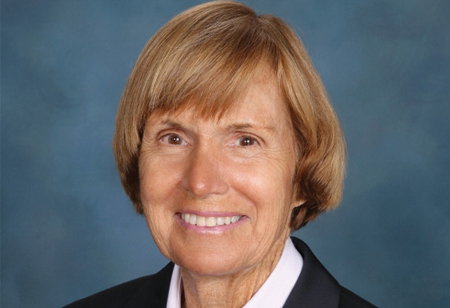
Rosarian Academy
Nurturing Minds through Holistic Catholic Education
Virginia Devine, Head of School
Education, at its best, extends beyond intellectual nurturing. It shapes students’ character, emotional intelligence, creativity and social awareness for a well-rounded development.
State of Industry
Leadership Perspective

Bloomfield Hills Schools
21st century K-12 School Food Services
Marianne Romsek, Food Service Director
Transforming the Lunch Tray: The Evolution of K-12 School Nutrition
Changes in K-12 schools since I began working in the industry in 2001 have been significant. I originally witnessed the sale of candy bars and calorie laden snacks and drinks. Active deep fryers and 25# bags of salt were in every kitchen. Meals were tasty in a salty/sweet kind of way, but not necessarily good “brain food” nor optimal choices for growing children, especially those that may not have nutritious food served at home. The costs going into the food and labor for those meals were about a quarter of what they are today. The most shocking thing that I noticed coming into the industry with a chef’s background was the negative image of the food served in schools.
Private Catholic School Info
Q1
What Do Private Catholic Schools Offer Students and Families?
Top Private Catholic Schools combine academic instruction with a faith-based environment that supports intellectual, spiritual, social and personal growth. Schools may serve different grade levels and follow different instructional models, but the category generally centers on structured learning, Catholic identity, character formation and student support. Families often consider private Catholic education when they want classroom learning to sit alongside values, responsibility and a strong sense of community.
Q2
What Does a Private Catholic School Education Typically Include?
A private Catholic school education usually covers core academic subjects along with religious education, extracurricular activities, student guidance, service opportunities and community participation. Top Private Catholic Schools may also offer arts, athletics, technology, advanced coursework or learning support, depending on the school and grade level. What matters most is how academics and faith work together across the student experience rather than appearing as separate parts of school life.
Q3
What Is Driving Demand for Private Catholic Schools?
Families weigh many factors when choosing a school, including academic expectations, faith, character development, safety, belonging and personal support. Top Private Catholic Schools compete for attention in a broader education landscape that includes public, charter, independent, homeschool and other faith-based options. Demand often reflects how well a school explains its educational philosophy, student experience, affordability and academic approach while responding to changing family priorities.
Q4
How Are Leading Private Catholic Schools Evaluated?
Reputation can open the conversation, but it should not end it. Top Private Catholic Schools can be evaluated through academic quality, teaching strength, student support, school culture, faith formation, leadership, extracurricular opportunities and family communication. Parents may also look at class structure, admissions expectations, tuition, campus resources and student well-being. The best fit is usually the school whose academic approach, faith commitments and support systems line up with a student's needs.
Q5
How Do Private Catholic Schools Create Value for Families?
Instead of focusing only on academics, families frequently assess value based on the entire school experience. Academic preparation, clear standards, individual mentoring, community connection, and values-based formation can all be combined at top private Catholic schools. In everyday school life, students may have the chance to develop accountability, service, moral judgment, and respect for others. Families frequently compare tuition and financial aid with educational fit, support services, school culture, and the caliber of the student's experience throughout time since cost still counts.
Q6
What Role Do Innovation and Teaching Quality Play in Private Catholic Education?
Innovation is useful when it improves learning without pulling a school away from its mission. Top Private Catholic Schools may use updated teaching methods, digital tools, interdisciplinary learning, hands-on instruction or newer student-support practices to meet changing educational needs. Technology is only part of the equation. Teaching quality still depends on capable educators, thoughtful curriculum design, meaningful student relationships and a clear Catholic identity that gives the school experience its direction.

Get the best of Education Insider delivered directly to you.
