
Liberal arts colleges are experiencing a noticeable shift in how academic delivery and student engagement are being structured, as institutions respond to evolving expectations around interdisciplinary learning and skill adaptability. Curriculum design is increasingly blending analytical frameworks with creative and applied learning formats, supported by wider use of digital tools in classrooms and hybrid teaching models. This transition is also influencing campus dynamics, where greater attention is being placed on experiential learning and collaborative academic environments. Moreover, institutions continue to navigate challenges linked to resource allocation, changing enrollment patterns, and maintaining academic depth across diverse subject areas.
Top Liberal Arts Colleges 2026
Liberal arts colleges provide undergraduate education that develops broad academic knowledge, critical thinking, communication skills and interdisciplinary learning. With a focus on small class environments, faculty engagement, intellectual exploration and personal growth, they support stronger career adaptability and well-rounded student development.
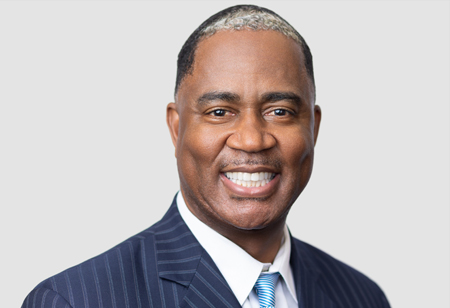

Renee Glass-Starek is an experienced career development leader with proven success in creating innovative career initiatives, forging partnerships, and delivering impactful programs. Recognized with national awards, she advances student success through strengths-based education, career readiness, and data-driven strategies, while championing collaboration between academia and industry.
Student Support Expectations Expand the Responsibilities of Liberal Arts Colleges
Thursday, June 11, 2026
Enrollment Decisions Are Becoming More Complex for Liberal Arts Colleges
Thursday, June 11, 2026
Liberal Arts Colleges Face Growing Pressure to Explain Career Outcomes
Thursday, June 11, 2026
Liberal Arts Colleges Info

Get the best of Education Insider delivered directly to you.
