
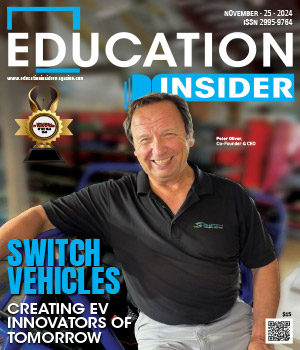
Learning about EVs is essential for next-generation education, equipping students with in-demand skills in sustainable technology and interdisciplinary STEM knowledge. Traditional EV education however, has often been fragmented, focusing either on theory alone or on limited hands-on sessions with “donor” or shop vehicles to demonstrate specific repairs or functions. These methods provide partial insights but fall short of delivering a comprehensive understanding of how EVs truly operate.
Programs and Curriculum

The Importance of Course Purge Policies in Higher Education
Tony Sovak, Ph.D., Director LMS & eLearning Quality, Pima Community College
Private Colleges and Universities

Navigating the Future of Education: A Comprehensive Overview of Trends, Challenges, and Best Practices
Dr. Claude Toland, Director of Education, Universal Technical Institute
Colleges

Shaping the Future of Learning
Rob Theriault, Immersive Technology Manager, Georgian College
Colleges

The Power of Reinforcement: 3 Ways to Turn Learning Into Action
Juliann Brown, Vice President, People & Culture, Talent Management, Pep Boys
Colleges

Learning Ambassadors: Catalysts for Change in Resource-constrained L&D Teams
Karen Suddards, Global Learning Manager, Bentley Motors

IN MY OPINION
Education and Admission Consulting
Leveraging Policies, Data, and Technology to Inform Strategic Decision-Making in Higher Education
Latina King, Director of Admission and Records, Lone Star College

LAST WORD
Colleges
The Offshore Green Energy Chain
Adnane Bennani, Battery Storage Service Bid and Project Manager, Siemens Energy
IN FOCUS
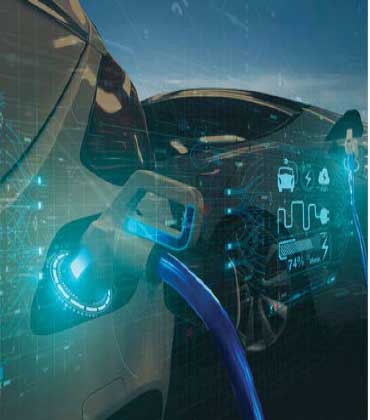
What Does The Future Of EV Technology Look Like?
The next generation of EVs may alter the world of transportation. Almost every car manufacturer worldwide uses EV technology.
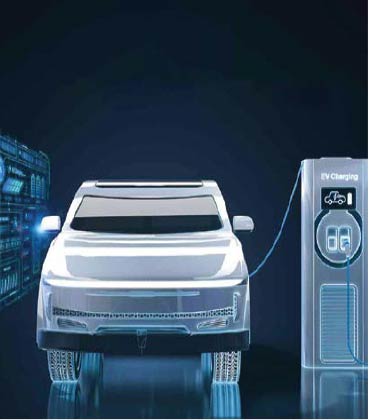
Empowering A New Generation Of Sustainable Mobility Professionals
The rapid growth of the electric vehicle (EV) sector is reshaping industries, economies, and societies worldwide, creating an urgent need for skilled professionals trained in EV technologies.
EDITORIAL
Building Skills for a Sustainable Tomorrow

Get the best of Education Insider delivered directly to you.
