
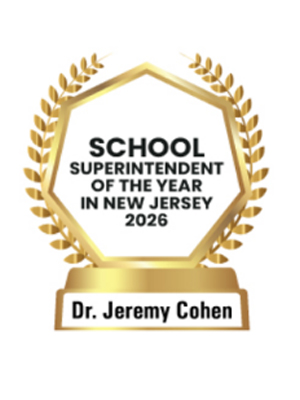
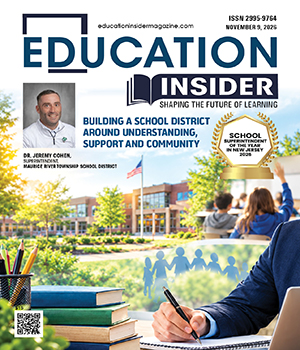
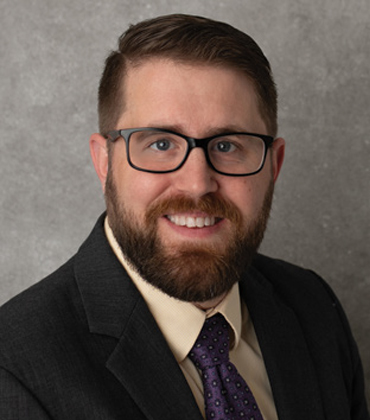
Dr. Jeremy Cohen is the Superintendent of Maurice River Township School District. A former special education teacher, he has served as Director of Child Study and Related Services and principal. His leadership focuses on student support, educator collaboration, and community partnerships that expand learning opportunities. For Dr. Jeremy Cohen, understanding a student comes before deciding how to teach one. That principle, shaped by his career as a special education teacher and experience as Director of Child Study and Related Services and principal, has become the thread running through his leadership of Maurice River Township School District. “Each child is unique, and each child’s needs are different,” says Dr. Cohen. Dr. Cohen carried that lesson into the superintendent’s office, where he has worked to make individualized support part of everyday instruction across the district. His focus remains on understanding student needs early, addressing learning gaps before they grow and equipping teachers with the tools to differentiate instruction so every student can stay on track and continue progressing. For Dr. Cohen, special education is not a separate philosophy but a way to better understand how each student learns. Turning Understanding into Action That perspective has shaped one of Dr. Cohen’s most consequential decisions at Maurice River. When he arrived, the district relied on a shared special education service. He brought the department under district leadership and used the savings to establish an in-house child study team, including an LD specialist, school psychologist, social worker, behaviorist, RBT and therapy services. The change redirected resources toward direct support for students. “ Each child is unique, and each child’s needs are different. “ Dr. Cohen’s approach is equally evident in how he leads the adults responsible for carrying out that work. He favors distributed leadership, giving educators with exp
Insurance and Financial Services
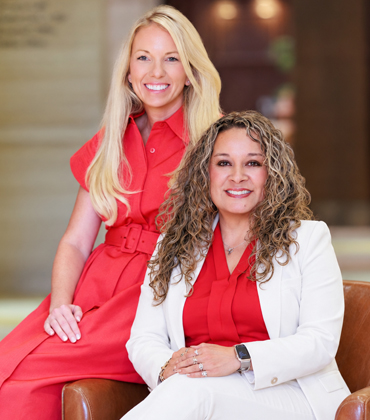
For many charter schools, the operational demands of running an institution can rival the challenges faced in the classroom. Budgets must hold up, payroll must run, grants must be tracked, audits must be prepared, and public funds must be managed carefully. At the same time, school leaders have to prioritize their attention on students, teachers, enrollment, and the wider mission of the school. YYY Advisors was built to address that disparity. The firm provides finance and operations support to charter schools as a virtual back office, while also offering something deeper than just outsourced administration. Ymelda Y. Y’Herrera, President and CEO, and Amanda Habrun, COO, believe effective support starts with understanding how each school actually operates. By getting to know the people, priorities, and challenges behind the numbers, the YYY team can make practical, informed decisions that address day-to-day needs while keeping the school’s mission at the center. “We like to be a member of that charter team. We're not just a service provider contractor,” says Y'Herrera.
Theological Institutions
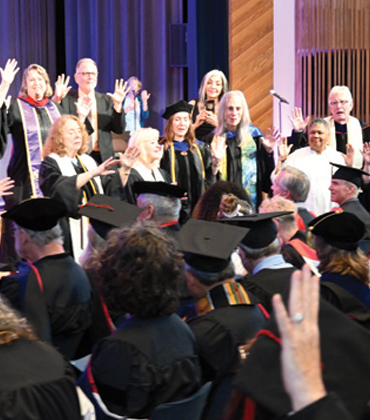
Some individuals enter theological study driven by a clear, unmistakable calling toward ministry or community leadership. Others arrive with no fixed destination, guided only by persistent questions. What do I truly believe? How do I translate my spiritual principles into everyday life and service? Emerson Theological Institute (EI) makes room for both and turns those inner inquiries into tangible, credentialed effect. Rooted in the Universal Principles of New Thought, which teaches that one’s underlying beliefs and thoughts shape one’s experience of life, EI delivers an adaptable, student-centered curriculum designed for immediate real-world application. Whether pupils are preparing to lead an international spiritual center or seeking to align their daily life with spiritual laws, EI offers a transformative educational experience that meets them precisely where they are. “Our role as instructors, advisors and cohort leaders is to create spaces and opportunities for the students to discover their own inner wisdom,” says Dr. Ruth L. Miller, provost. That discovery may lead toward a spiritual practice, a ministry, or personal growth; it does not have to follow one destination.
Christian School
East Palmyra Christian School (EPCS) is built on three foundational pillars: Christian, Covenantal and Classical. Grounded in the Protestant Reformation and guided by ecumenical Christian creeds like the Apostles’ Creed, the school stands for more than just a mission statement. It is a commitment to meaningful, affordable K–12 education that unites heart and mind, helping students view the world through a Christ-centered biblical lens. “Our students step into the world equipped with academic excellence, while their hearts are attuned to God's calling — ready to serve, lead and live with purpose,” says Reid Robbins, head of school. This ethos, first envisioned by the Dutch community that founded the school, remains at the core of EPCS. Unlike institutions with rigid frameworks, the school goes beyond the standard curriculum to help students develop their individual gifts in all areas. Here, EPCS’ covenantal framework plays a key role by integrating faith and learning through a parent-teacher partnership rather than being tied to government- or church-led authority. Their shared responsibility allows the school to nurture each child's God-given talents while creating room for doctrinal differences to be discussed in love. This commitment to a relational bond sets the tone for EPCS’ operations. EPCS brings together families in the rural heart of upstate New York, offering the faith-based education they seek. This foundational vision extends into every element of school life — including how students are welcomed into the community. The process begins with an application, a home visit and a reference provided by the student’s pastor, along with a placement test to ensure the child is placed in the appropriate grade. Each step is carefully designed with the student’s needs in mind. With a maximum student-to-teacher ratio of 15:1, each child is guaranteed an advocate within the school to ensure their academic and personal growth. To achieve this goal, the school follows a classical education model, teaching logic, rhetoric and integrated humanities with a strong focus on grammar, classic Western texts and vibrant music programs. To prepare students for reading complex works like The Federalist Papers and Confessions in high school, they begin reading foundational texts like The Odyssey in middle school, ensuring a rigorous and strategic learning path. The results speak for themselves: according to standard national testing, their students are (on average) over a year and a half ahead of the national norm, including being 1.2 years ahead in math alone.
Top 10 Head of Catholic Schools - 2026
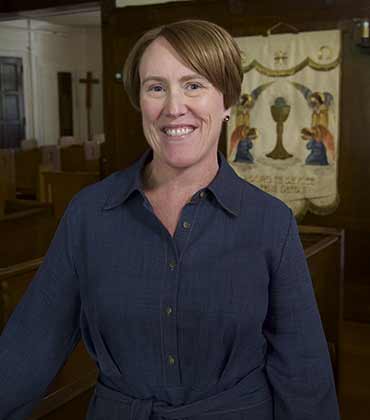
Leading a school requires more than academic direction. It demands a clear understanding of its mission, financial health, community expectations, and the individual needs of its students. At Sacred Heart Academy Bryn Mawr, Robin Nolan brings these responsibilities together through a leadership philosophy shaped by years of experience in Catholic education and institutional advancement. Nolan began her career in Catholic education as advancement director at Saint Hubert High School in Northeast Philadelphia in 2012. She later worked at Father Judge High School before joining Sacred Heart Academy in advancement. Moving from fundraising leadership to head of school broadened her responsibilities, encompassing enrollment, facilities, financial sustainability, and the overall student experience.
Christian Colleges
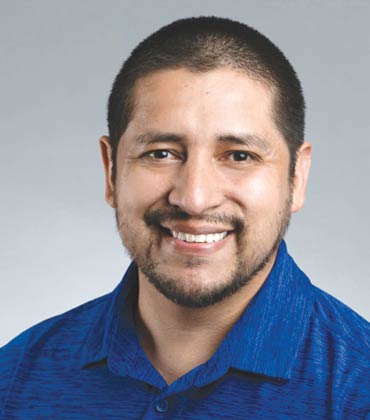
Redefining Classroom Experiences With Digital Tools
Amos Gutierrez, Director of Instructional Design, Adams Center for Teaching and Learning, Abilene Christian University
High Schools
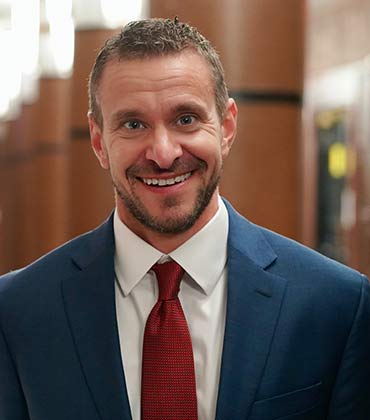
Instilling Belief in Students to Achieve New Milestones
Justin Reese, High School Principal, School District of Lancaster
Art and Design Colleges

The Power of Purposeful Testing
Miranda McLaren, Executive Director, Gwinnett County Public Schools
After School Training
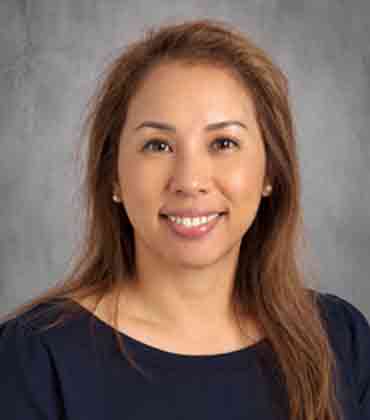
Creating Stronger Schools through Better Operations
Lana Nguyen, Director of School Operations, Alpha Public Schools
Bible College
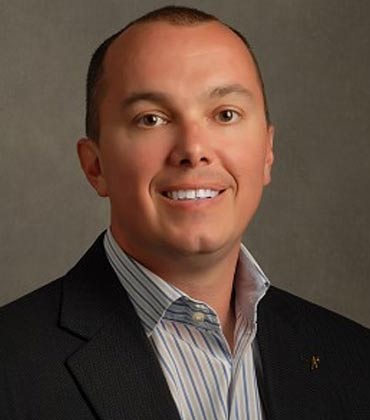
Transforming Education Through AI
Robert Dickson, Chief Information Officer, Wichita Public Schools
IN MY OPINION
Pre-Schools
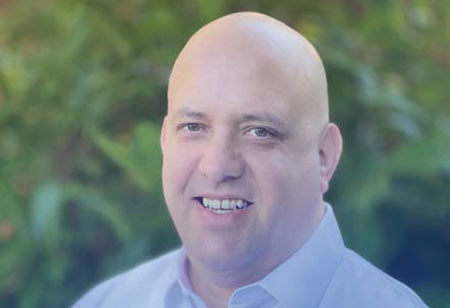
AI as a Capacity Builder, Not a Classroom Distraction
Kris Hagel, Chief Information Officer, Peninsula School District
LAST WORD
Charter Schools
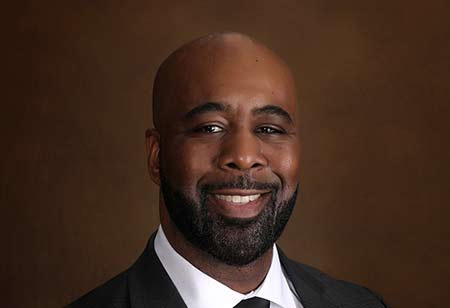
Transforming Public Education through Digital Innovation
Desmond Grant, Chief Information Officer, Littleton Public Schools
IN FOCUS
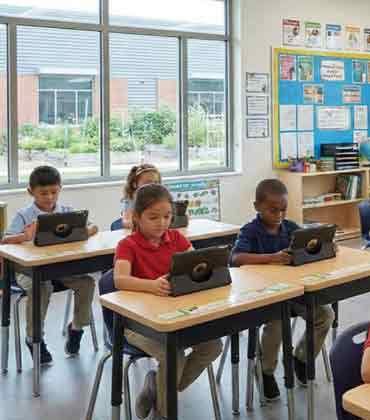
School Finance Services: Supporting Stronger Charter School Operations
Finance and operations services for charter schools improve financial control, administrative efficiency, forecasting, compliance, technology integration and resource allocation for education.
EDITORIAL
Building Schools where Students Thrive
This edition of EducationInsider focuses on how schools are navigating operational complexity amidst evolving expectations and diverse learning needs to create environments where students can progress.
The cover story features Dr. Jeremy Cohen, Superintendent of the Maurice River Township School District, who has been recognized as the School Superintendent of the Year in New Jersey 2026. The vision of Dr. Cohen for his schools is one that focuses on student comprehension, educator teamwork and community relations as the focus of all school improvement efforts.
YYY Advisors, named Finance and Operations Services for Charter Schools Company of the Year 2026, helps charter schools strengthen financial planning, compliance and operational systems. Its hands-on approach gives school leaders greater clarity over resources and more capacity to focus on education.
Emerson Theological Institute, recognized as Top Theological Institute 2026, offers accessible, student-centered theological education that combines personalized mentorship, reflective learning, and practical community service to help students translate spiritual understanding into personal growth and meaningful leadership.
Director of Special Education Amanda Bernowski at Groveport Madison Schools, who is also recognized as one of the Top 10 Directors of Special Education 2026, emphasizes the importance of presuming competence, enhancing student choice and empowering teachers for inclusion.
Moreover, Lana Nguyen, Director of School Operations at Alpha Public Schools, describes how the clarity of process and empowerment of operational teams can build stability within campuses. Miranda McLaren, Executive Director at Gwinnett County Public Schools, stresses purposeful assessment that involves using data for teaching purposes and making tests a means of providing opportunities for students.
Together, these perspectives underscore the need for building educational systems that place people before procedures and use resources, evidence and collaboration to help every learner move forward.
Explore the edition further to discover how education leaders are turning purposeful decisions into stronger schools, more inclusive learning experiences and lasting opportunities for students.

